 Where the Letters Go
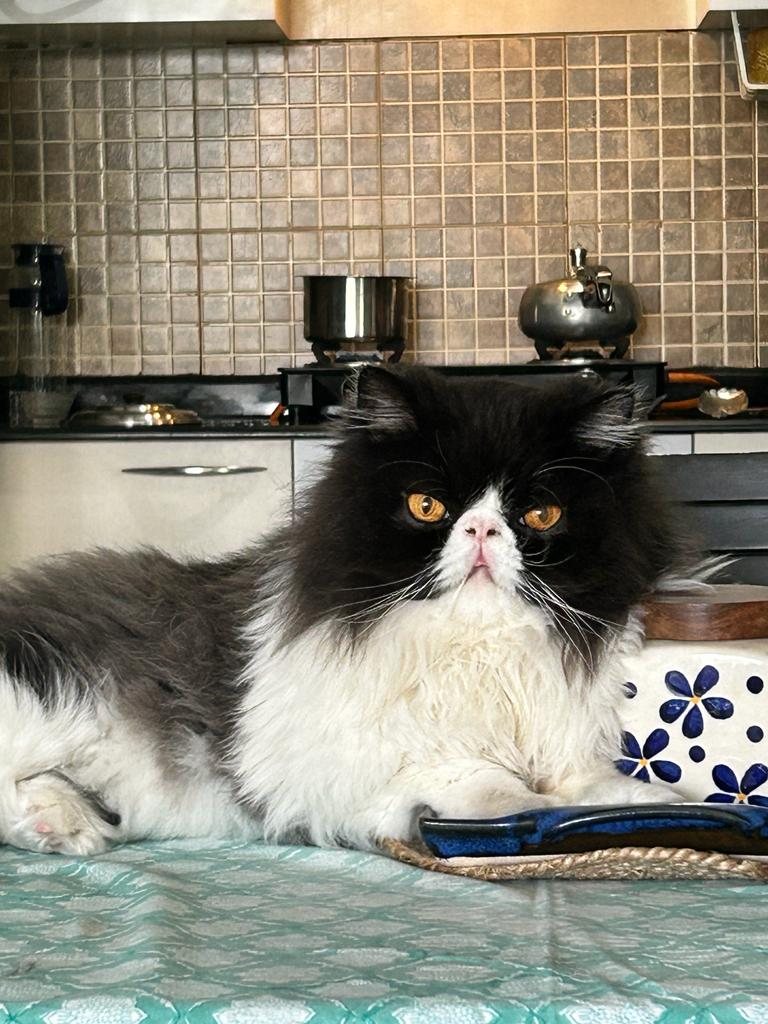
The first time I saw Bishop, he was hiding.
I had come for a different kitten. I'd lost my first cat, Snowie, a white Persian, and I think a part of me was hoping to find him again. A litter of Persian kittens needed homes, and one of them was white. I was first at the door.
The others came tumbling out to meet me, all fluff and curiosity. One didn't. He stayed pressed into the back of the room, the smallest of them all, the one everyone had walked past. They called him Skipper. A friend who had come with me said softly, "If you don't take him, I don't think anyone will."
I wasn't sure. I'd had a picture in my head of the cat I wanted. I took him home anyway.
He became Bishop. And for the next ten years, he was my whole world.
He was never a lap cat. He'd wriggle out of a cuddle and look quietly offended if you picked him up. But he was always there. Whatever room I was in, he would find his way into it and settle somewhere close. Not touching. Just near. Some evenings he'd suddenly race through the house as if something invisible were chasing him, then sit down and wash a paw as though nothing had happened. He'd lift his chin for a scratch like he was granting me a great favour. And when I scooped him up to kiss the top of his head, he would go perfectly still, solemn as his name, and wait until I was done. The second I stopped, he was gone.
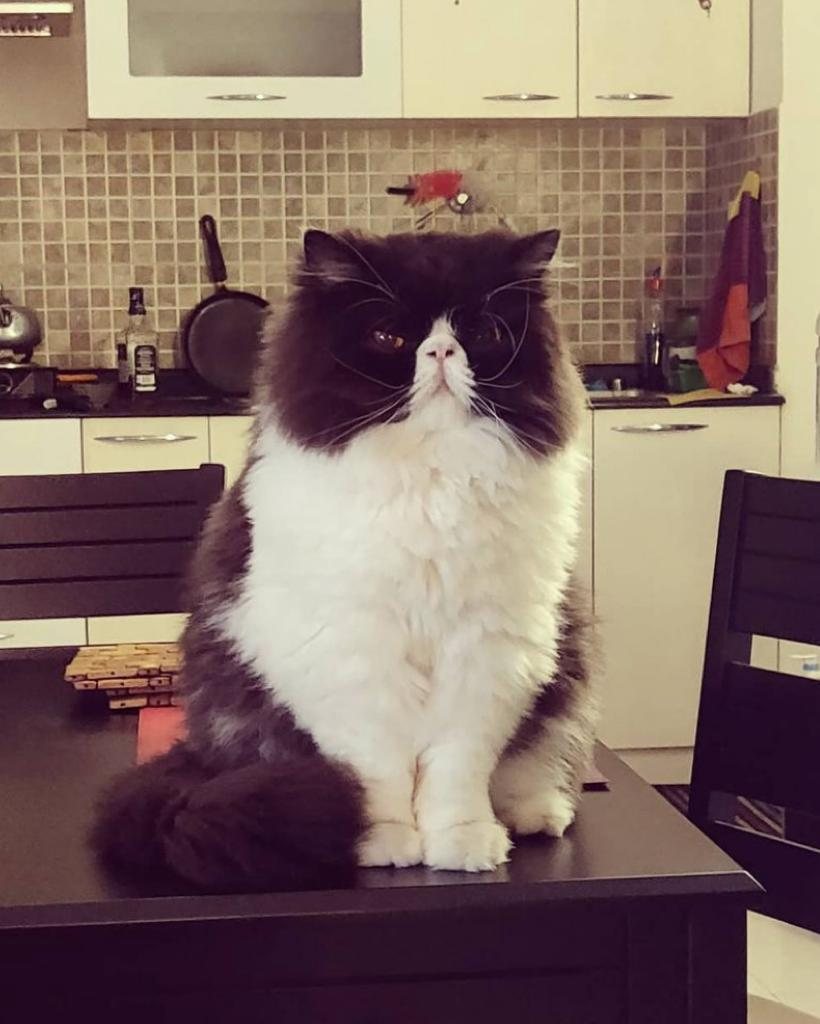
I used to think he was tolerating me. I know now he was letting me.
Without ever deciding to, I arranged my life around him. I stopped travelling. Only one or two people in the world were trusted to look after him. He never once spent a night in a boarding place. This was his home, and he was my family.
In his last year, he fell ill. His own body had begun attacking his red blood cells, and the day he was diagnosed, he needed a blood transfusion. After that, our weeks had a new rhythm: a blood test every week, for eight months. More than ten medicines. Then his kidneys. Then his heart. Three stays in hospital. Each time, I brought him home and promised him we'd do it again, as many times as it took.
The third time, his small body had nothing left to give. And I had to do the kindest and hardest thing I have ever done. I held him, and I let him go.
Nothing has ever broken me the way that did. For a long time, I wasn't okay. It reached into my work, my health and the people I loved. And when I looked for something to help, I found very little that understood that a quiet cat who never liked to be held could hold an entire life together.
I've moved homes since. The rooms he knew are gone. Now I find him in photographs, and I still can't look at them without crying.
If I could have one more minute, I'd pick him up and kiss him all over, and this time I wouldn't stop when his little timer ran out. I think he knew what he meant to me. But there are things I've carried, unsaid, ever since.
Where the Letters Go came years later. But it began with him: with every word I still wanted to say to him, and nowhere to send it.
Wren, our little owl, carries the letters we never got to send. The guides are what I wish someone had quietly handed me back then: gentle and honest, grounded in what we actually know about grief, and made for the long months after, when the world has moved on and you haven't.
Whatever you're carrying, I'm so sorry. You're not alone here.
— Bishop's human, always
Questions, or just want to say hello? hello@wherethelettersgo.com